Commercial Interior Design · February 2017
Achieving Nirvana: Buddha-Bar Dubai Refurbished
In short
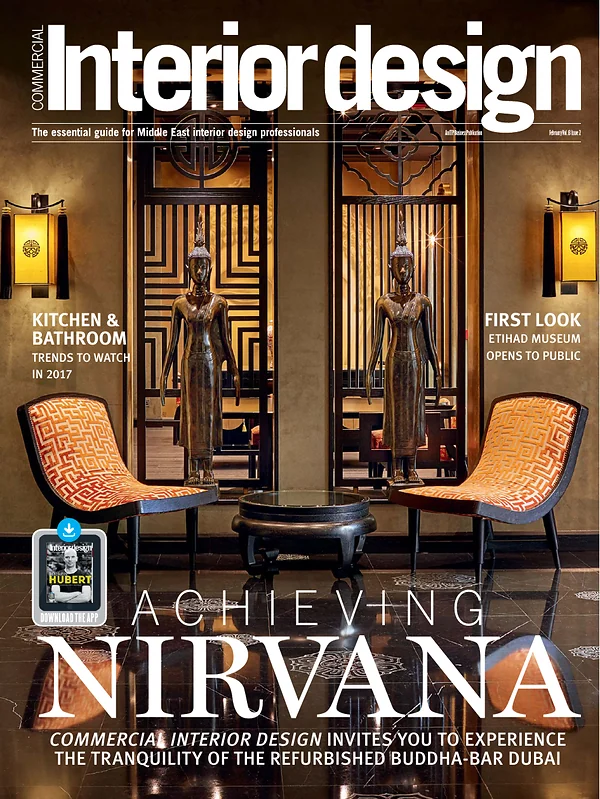
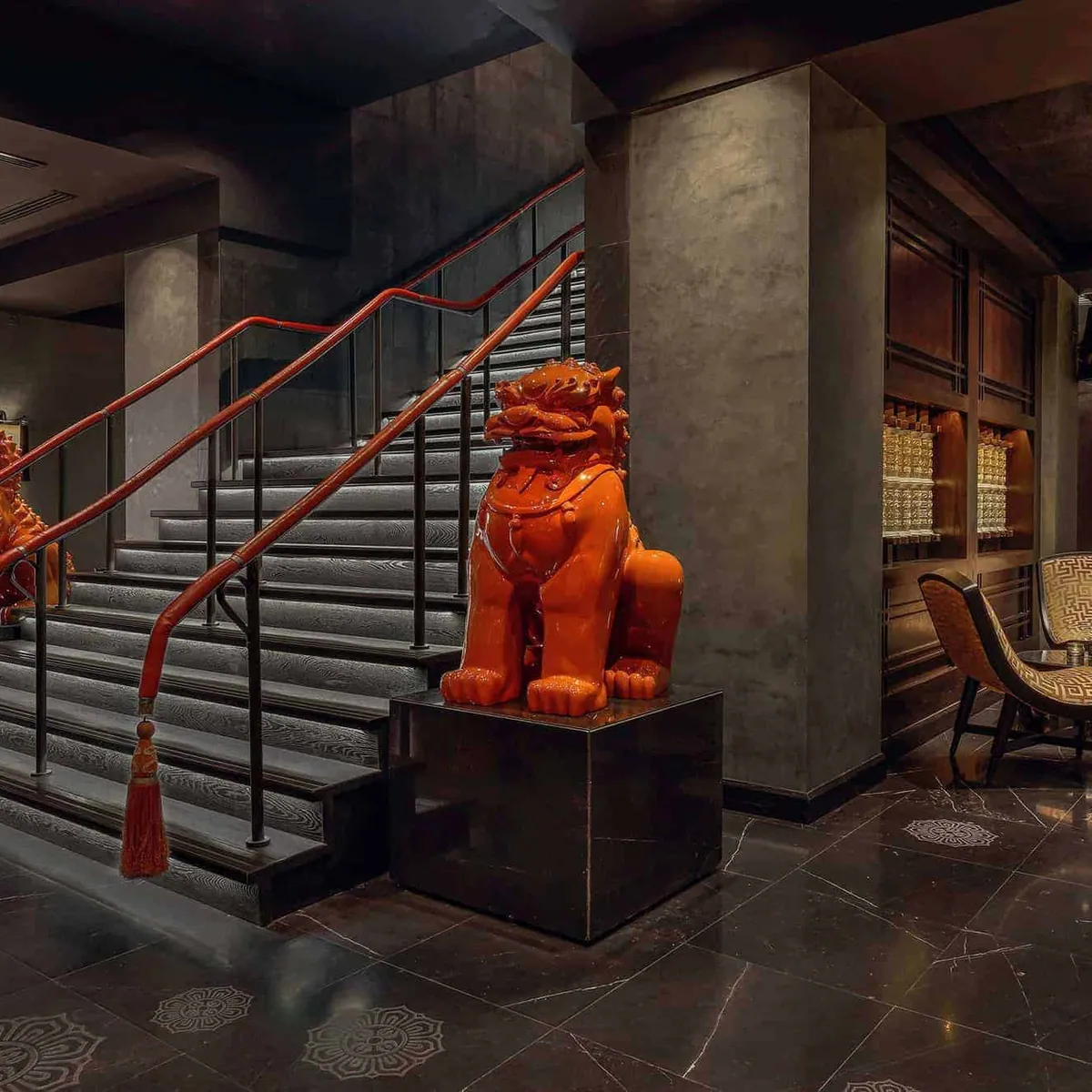
Commercial Interior Design devoted its February 2017 case study to LW’s refurbishment of Buddha-Bar Dubai at Grosvenor House Dubai Marina — a three-storey venue that is among the largest Buddha-Bars in the world. The piece is unusually specific about makers: five tones of 3D tile from the UK studio Giles Miller cladding the bar front to read as dragon scales, wall and ceiling murals by the artist Steve Chambers, Foo Dogs enlarged and painted Chinese red by Four Seasons Ramesh Gallery, embossed leather from Edelman Leathers, wash units by Bagno Design. It also records that Pia Sen, Associate at LW, designed both the original 2005 venue and this refurbishment.
The projects this piece is about
February 2017 · 8 pages
The work in the piece
Buddha Bar
What was the refurbishment for?
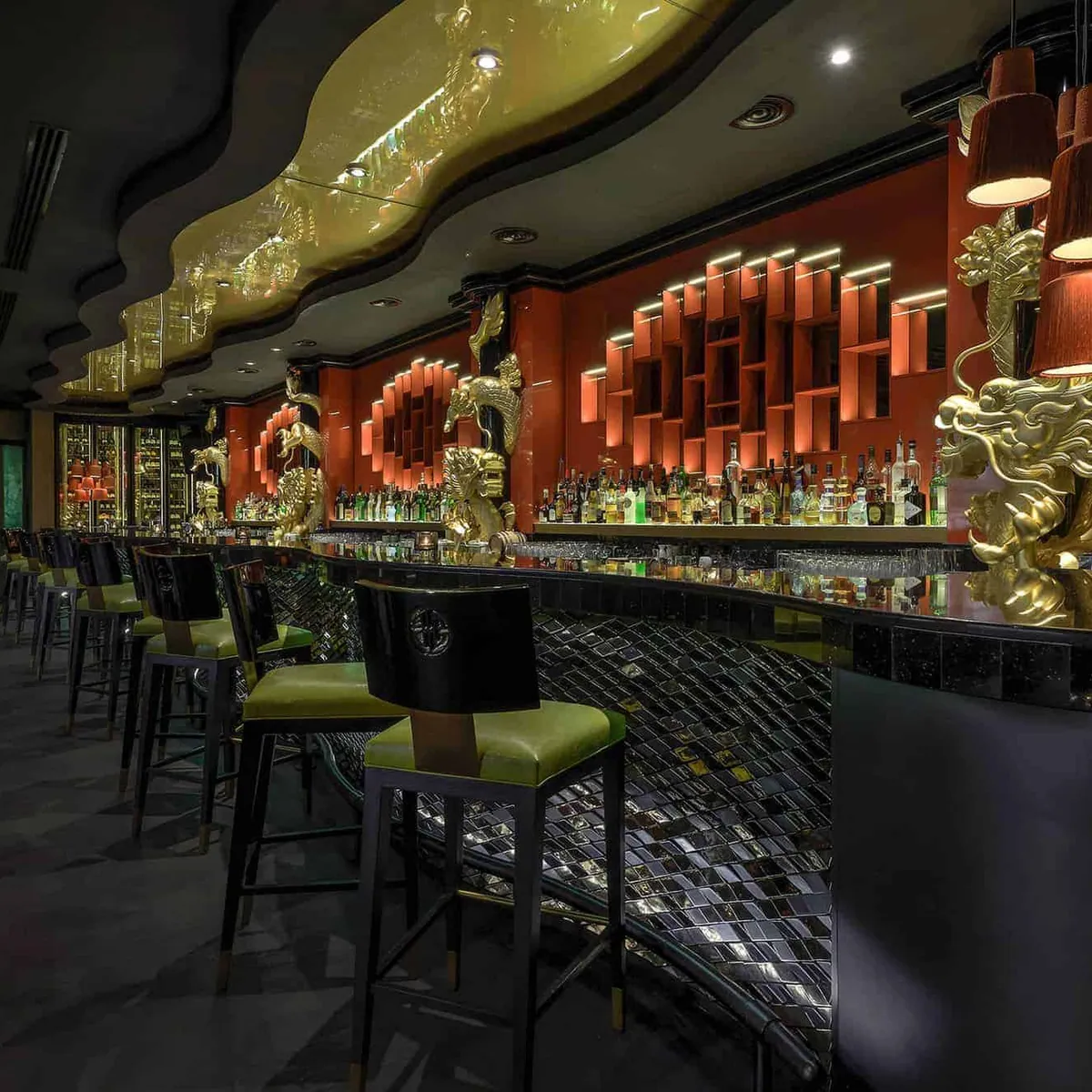
To use the parts of the venue nobody was using. The client wanted the back area opened up and the restaurant extended, and the private dining and tatami rooms at the rear brought back into service. A new open-plan Robata Grill kitchen was added for live cooking, with bay windows onto Dubai Marina. One ground-floor lounge became a 20-seat private dining room that can be opened to the rest of the venue, its walls carrying oversized Buddha heads in gold, painted by Steve Chambers.
How do you get people to use the upper floor?
You give them a reason and a lift. The mezzanine had previously been reservation-only while the ground-floor bar stayed crowded, so LW extended the area, built an additional bar on the mezzanine, and installed an elevator for access. A large dragon mirror on the back wall does the rest.
The question we asked ourselves was ‘how do you pull people upstairs?’. Before you had to book a table or otherwise, you were not allowed to come up here… so we built an additional bar that brought people up here as well.
Pia Sen, quoted in Commercial Interior Design, February 2017
Why the shift to green and purple?
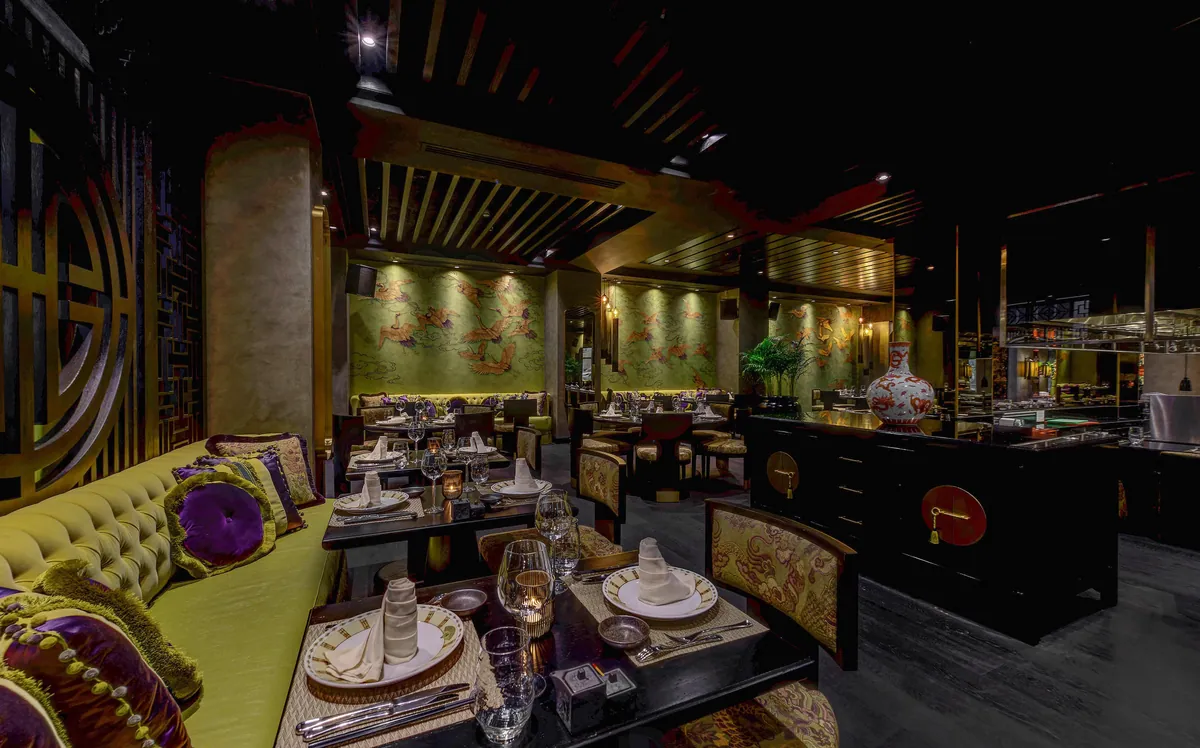
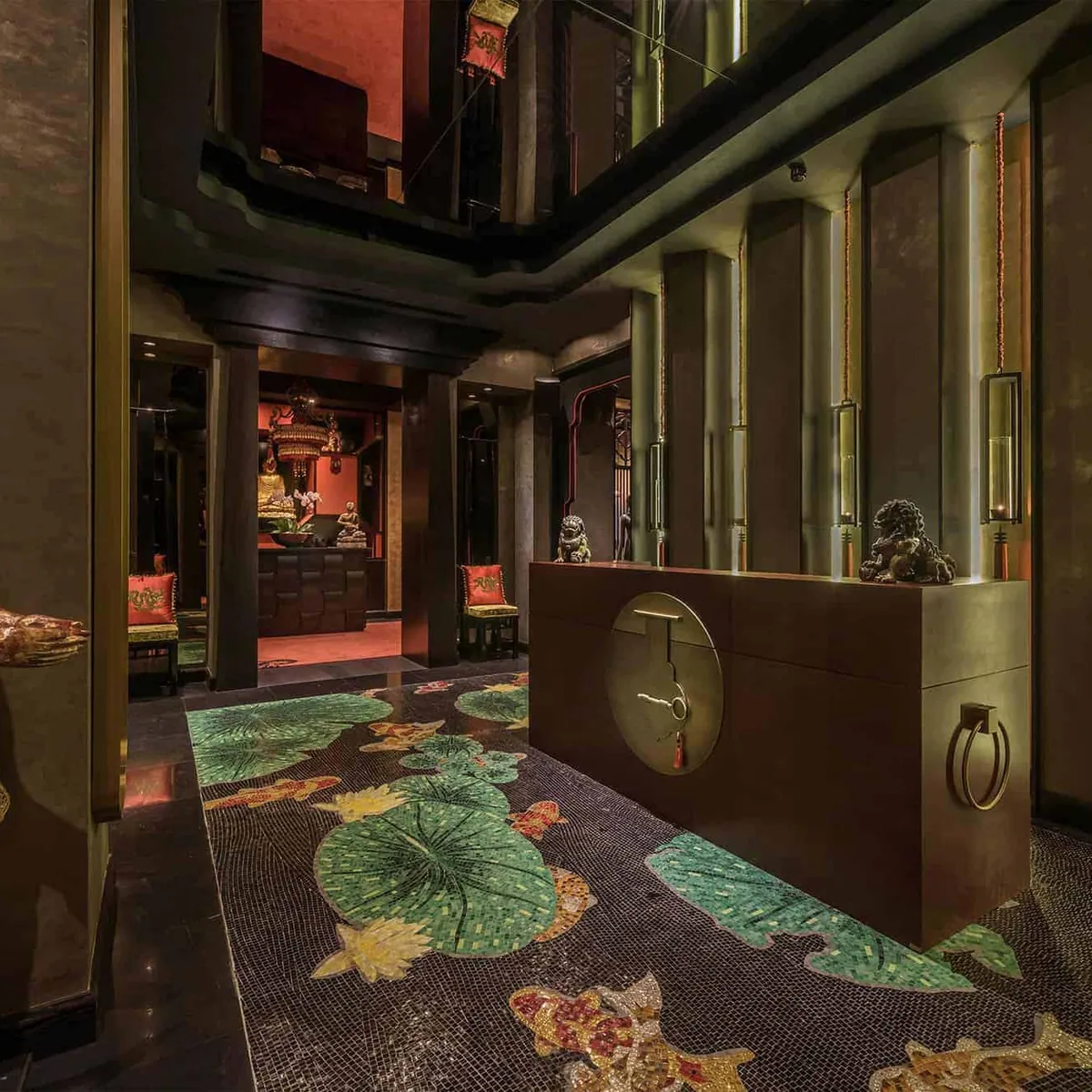
Because the room is dark and dimmed. The original scheme leaned on the gold and red signature of every Buddha-Bar; the refurbishment introduced vibrant greens and purples that look almost neon in daylight and become legible jewel tones under evening lighting. The Chinese dragon is the Dubai venue’s own signature stamp, worked into the walls, the chair and curtain embroidery, the lighting, and the mirror frames; the tassels and the colour scheme are drawn from the Ottoman era, and the light timber floor was replaced with dark walnut and stencilled black stone that runs from the entrance through the corridors and into the bathrooms.
When you look at the colours during the daytime, they may seem too sharp and almost neon, but when you have a really dark envelope and dimmed lights in the evening, you need to have these jewel colours that you can still see at night.
Pia Sen, quoted in Commercial Interior Design, February 2017
What this piece establishes
The printed article
The page above is a summary with attributed extracts, not a reproduction: the copyright in this article belongs to Commercial Interior Design. The scanned pages are served from this site so the printed object stays available to anyone who wants it.
Download PDF (8 pages, 1.9 MB)More from the press archive
Also in Print
Sleeper
November 2024
25 Years of LW Design — the Sleeper Interview
Read
IFDM Wonder
Winter 2025
IFDM Wonder: Nature as an Operational Imperative
Read
Supper
2023
Row on 45: Jason Atherton’s 22-Cover Room
Read
CEO Middle East · Legacy Edition
July 2023