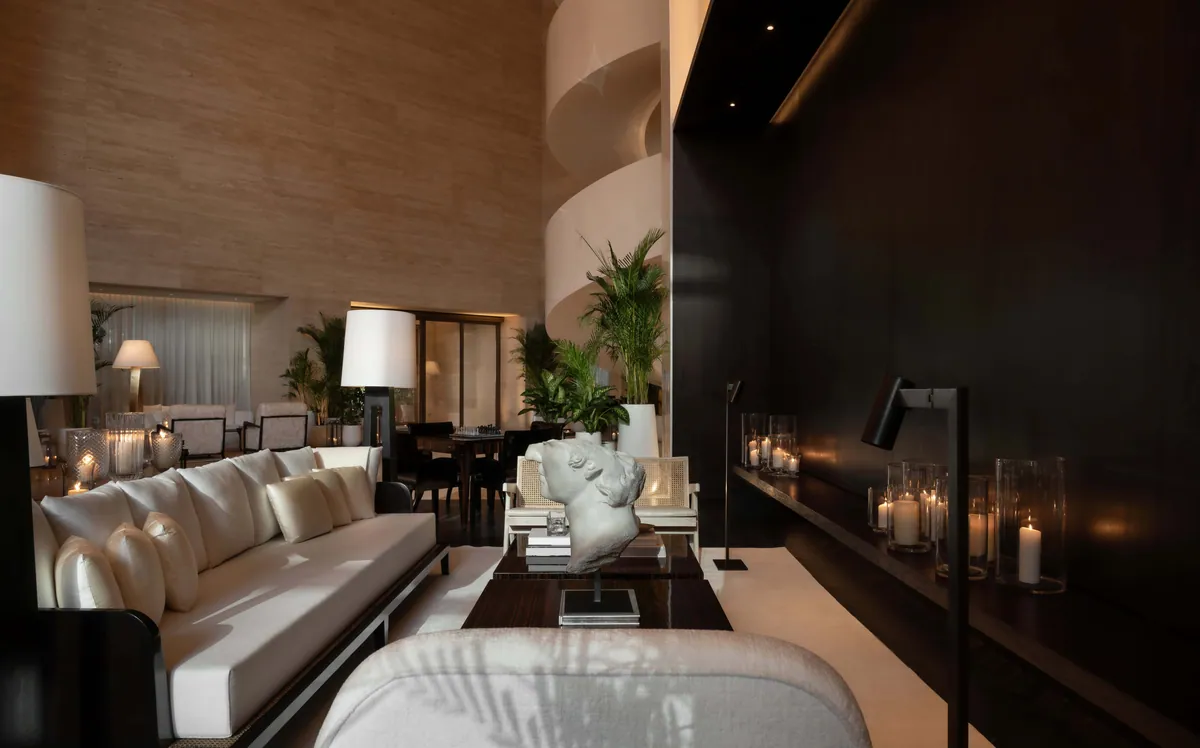
Sleeper · November 2024
25 Years of LW Design — the Sleeper Interview
In short
For LW’s twenty-fifth anniversary, Sleeper interviewed Founder and CEO Jesper Godsk at length. It is the clearest published statement of why the practice exists: in 1999 Godsk, Lars Waldenström and Morten Hansen saw a Dubai interiors market “dominated by a sense of over-the-top opulence” and set out to bring minimalist Scandinavian design to it. Godsk names Buddha Bar Dubai and The Dubai EDITION as the two projects that changed what the practice believed it could do, and describes a leadership transition that has been running for eight years.
The projects this piece is about
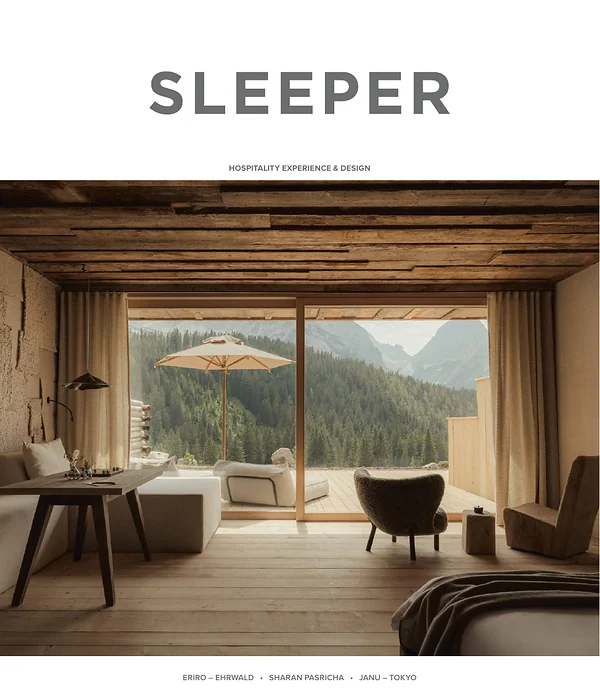
November 2024 · 4 pages
The work in the piece
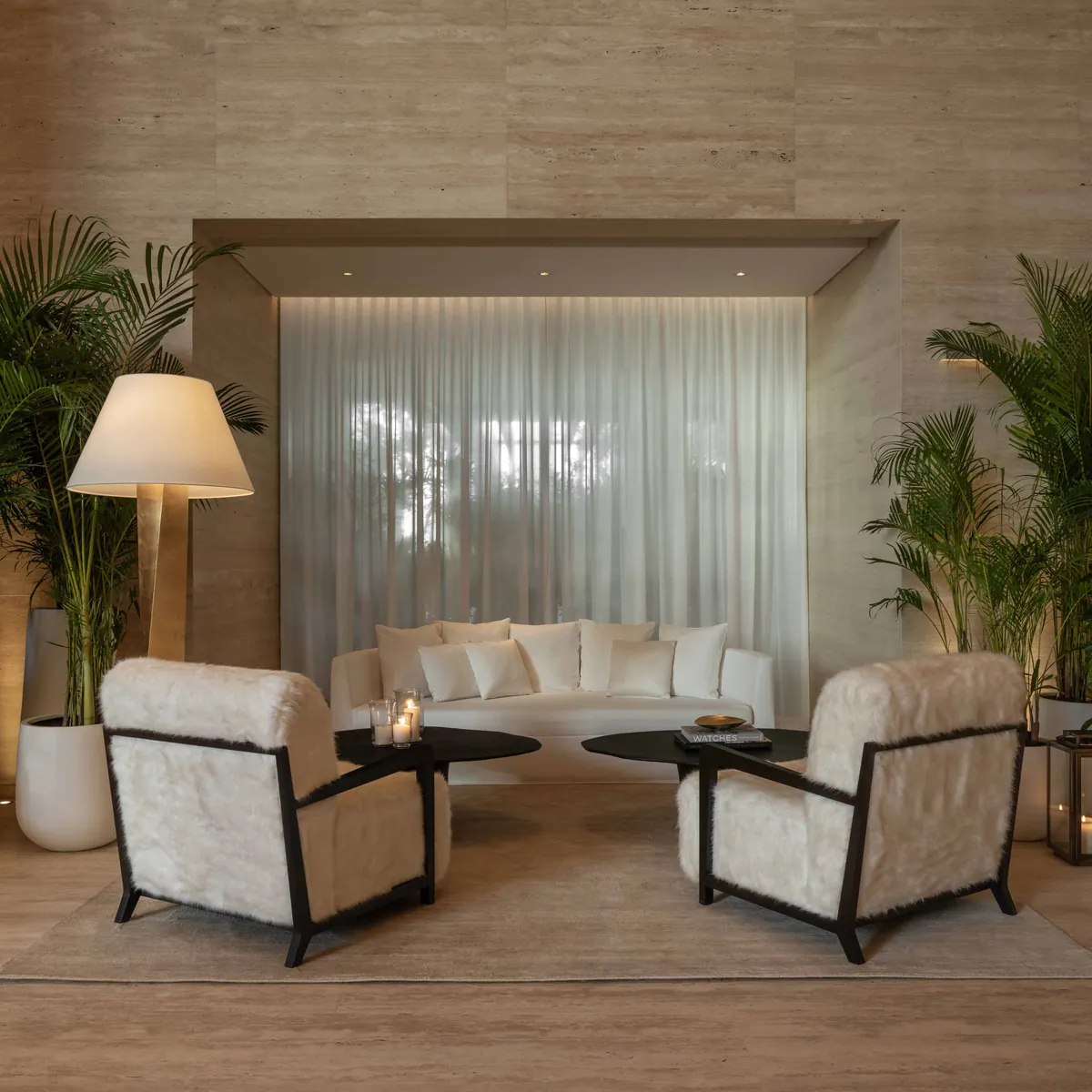
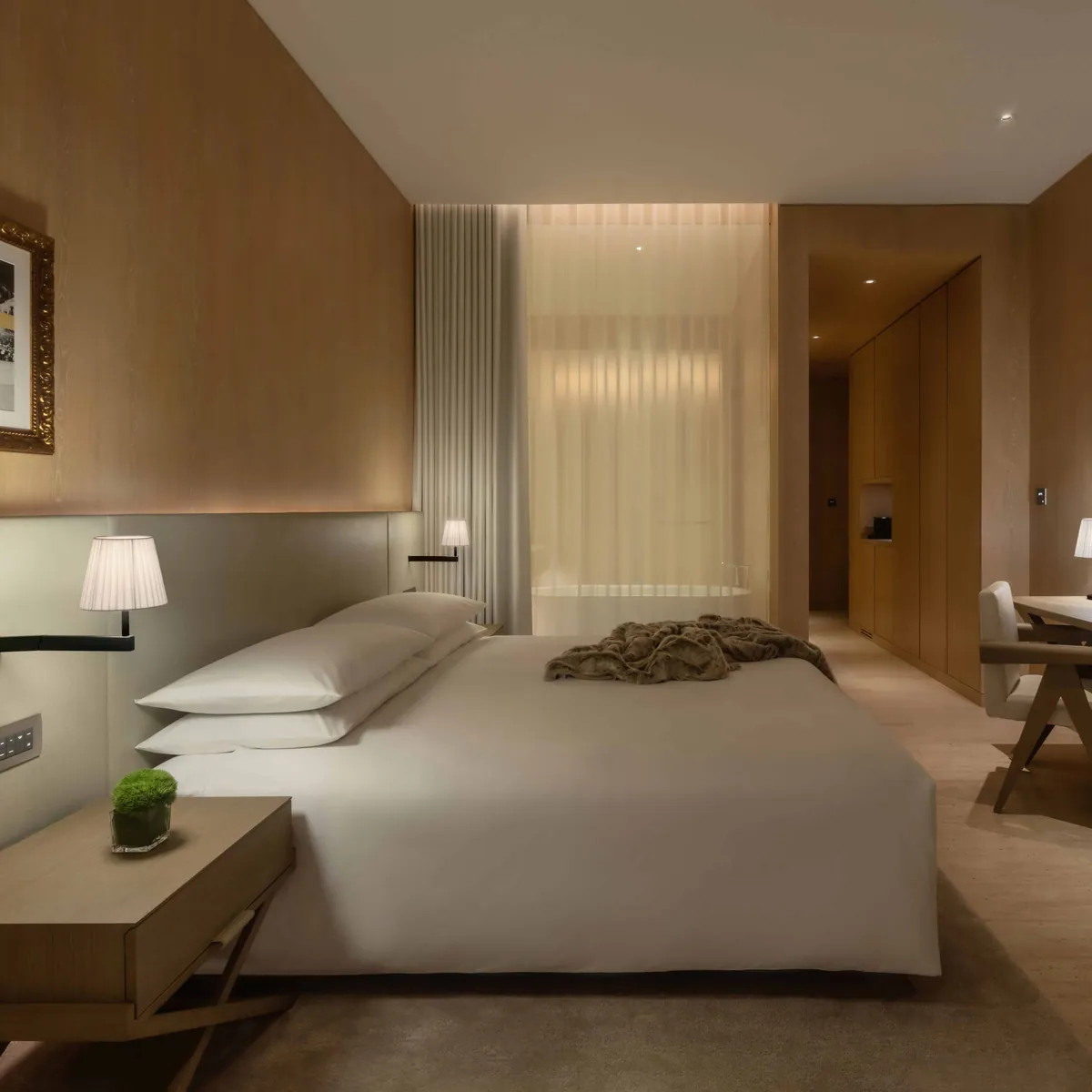
The Dubai EDITION · Bab Al Shams · SIRO · Buddha Bar
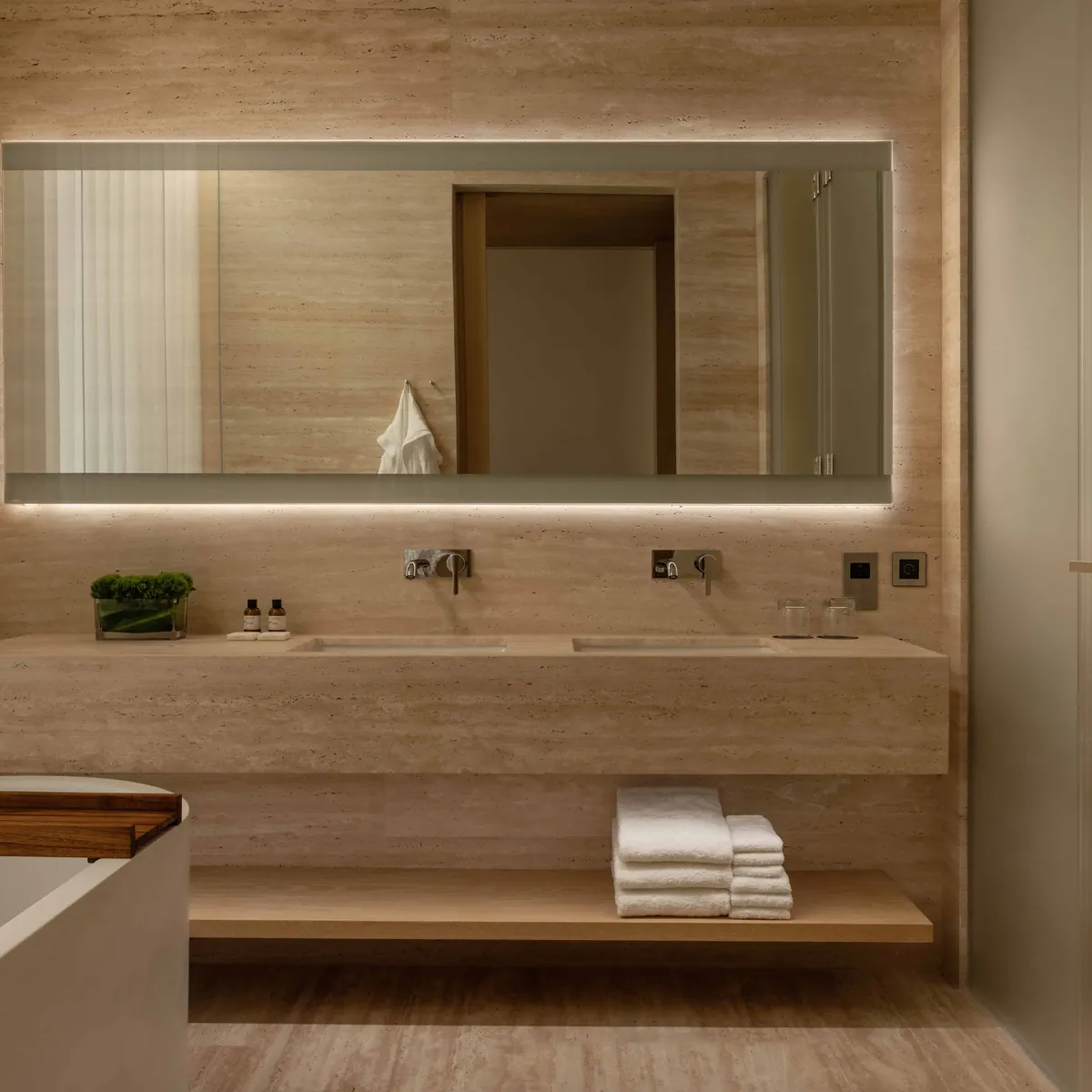
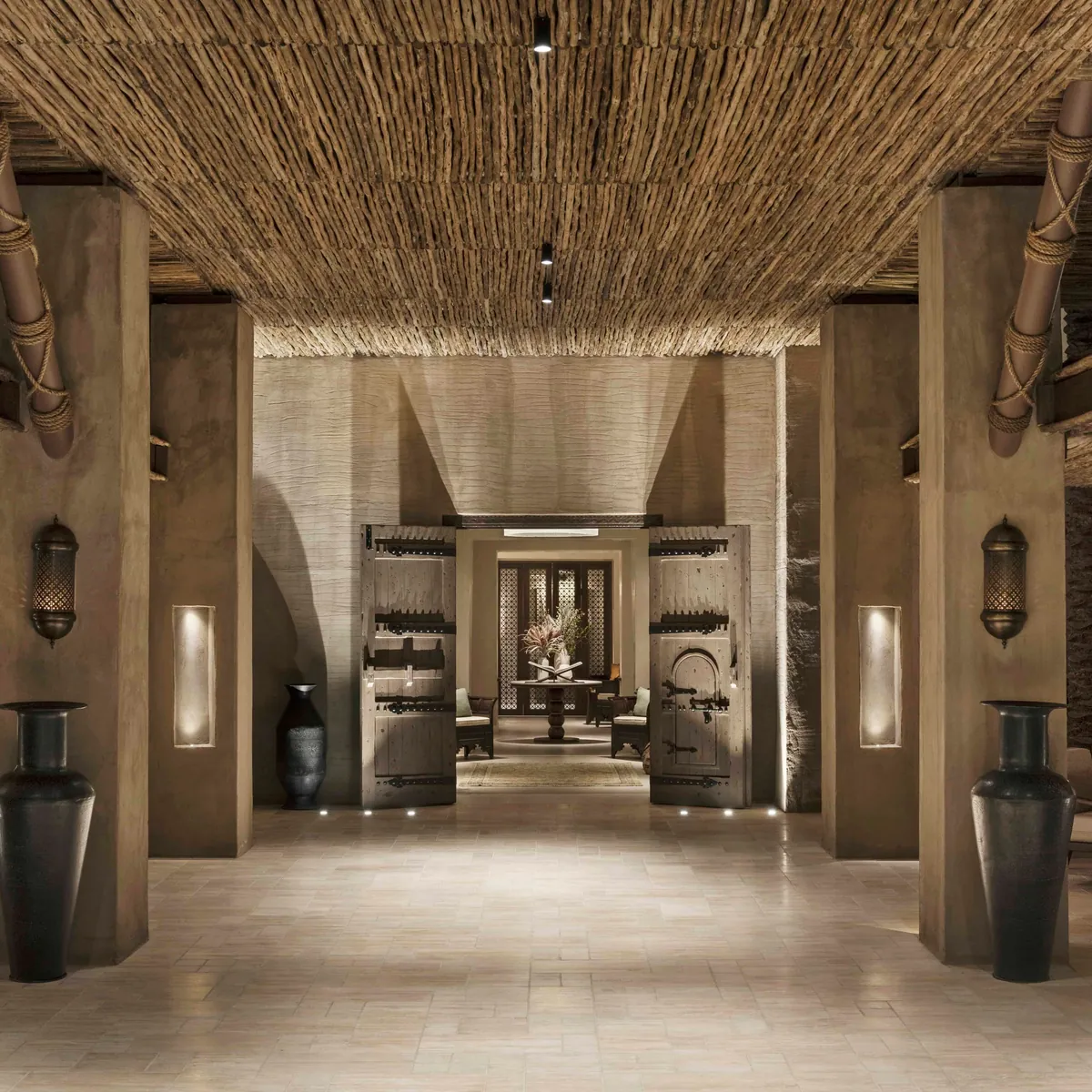
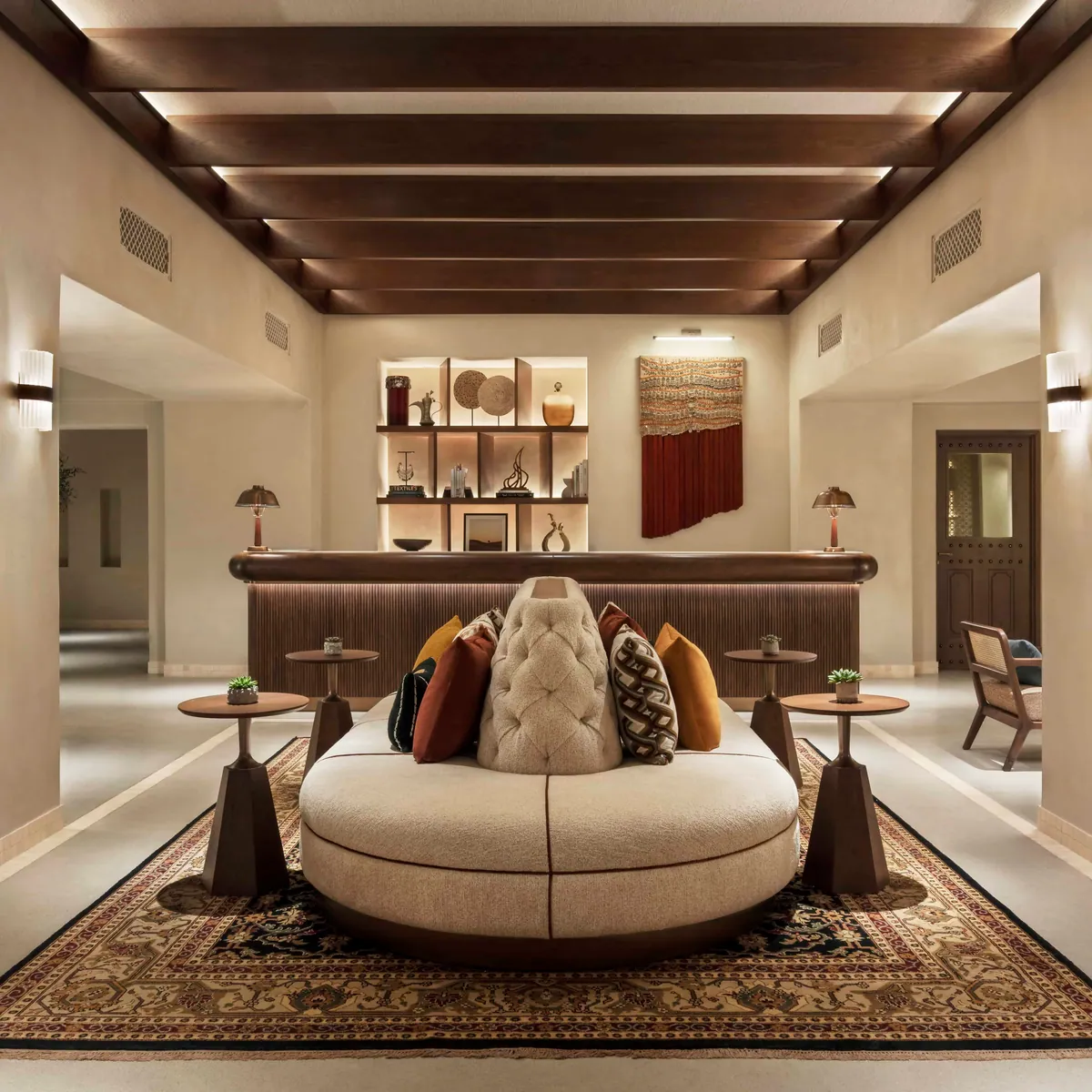
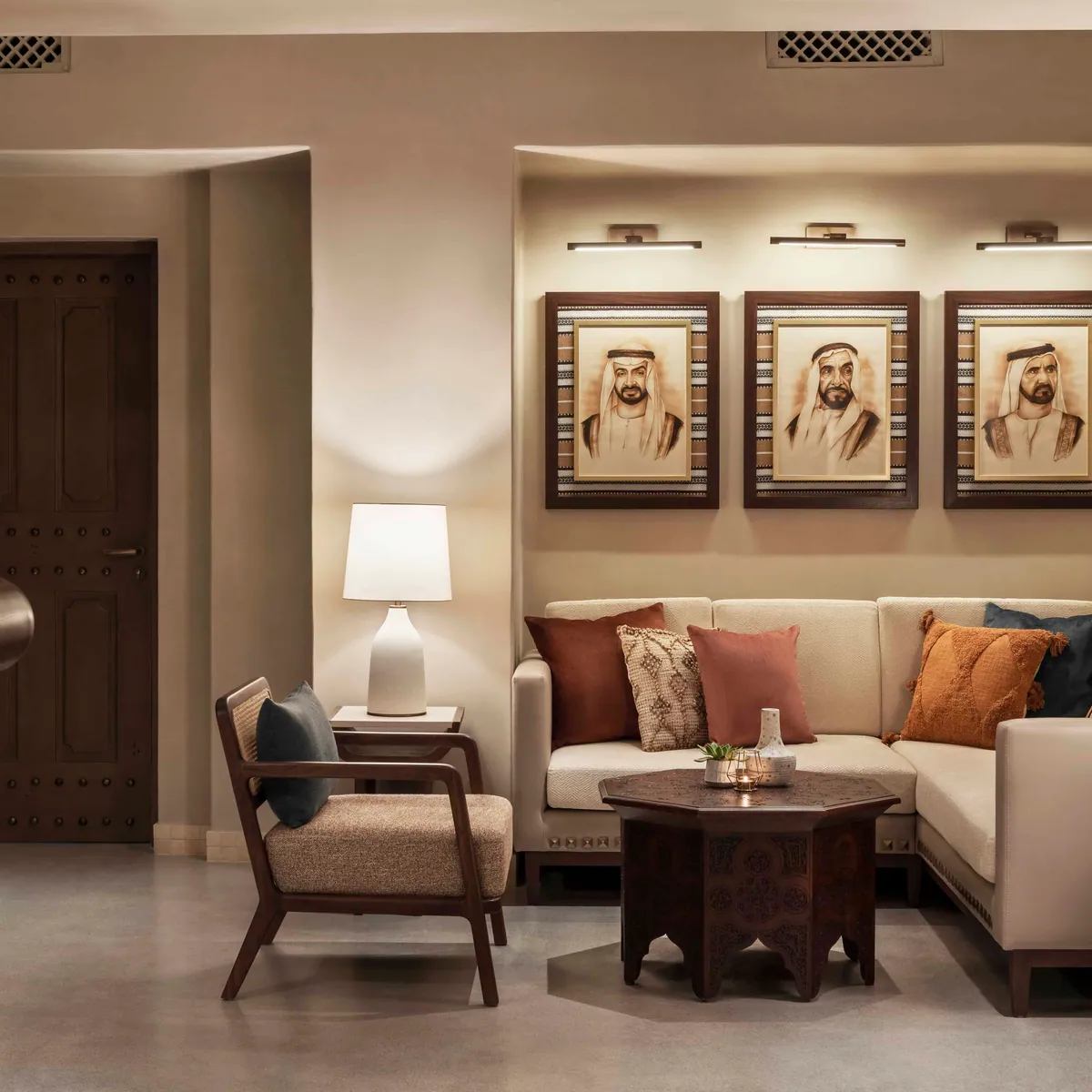
What was LW founded to do?
To offer Dubai an alternative to opulence. The gap the three founders saw in 1999 was not a gap in capacity but in taste, and the answer they brought was specific and Northern European.
We believed there was room for something different – something that reflected the simplicity, functionality and understated elegance of minimalist Scandinavian design.
Jesper Godsk, in Sleeper, November 2024
Which two projects changed the practice?
Buddha Bar Dubai and The Dubai EDITION. Buddha Bar was LW’s first large-scale food and beverage project, commissioned by an owner who wanted a “magical oriental experience” drawn from his own travels through the East, including Tibet. Godsk describes it as the project that established the practice’s view that design is a holistic experience rather than a set of surfaces. The Dubai EDITION is the counterweight: architecture and interiors both by LW, and an exercise in what the brand’s “less is more” standard demands.
What has changed in hospitality design?
Godsk names two shifts. The first is from aesthetic luxury towards a sense of place: guests want to connect with the space and the story behind it, and to feel immersed in the local culture. The second is operational — a venue that looks good but does not work is no longer acceptable to owners and operators, so flow and efficiency now sit alongside the visual brief rather than behind it.
What does the next 25 years look like?
Not larger. Godsk says the practice has reached its “perfect model” and that what he and his partners want is depth rather than headcount — strength in presence, identity and the impact of the work, with recognition measured by the uniqueness of the portfolio rather than the number of offices. He is explicit that project size does not determine value, and that the marker of success is aligning the right project with the right team.
What this piece establishes
The printed article
The page above is a summary with attributed extracts, not a reproduction: the copyright in this article belongs to Sleeper. The scanned pages are served from this site so the printed object stays available to anyone who wants it.
Download PDF (4 pages, 0.4 MB)More from the press archive
Also in Print
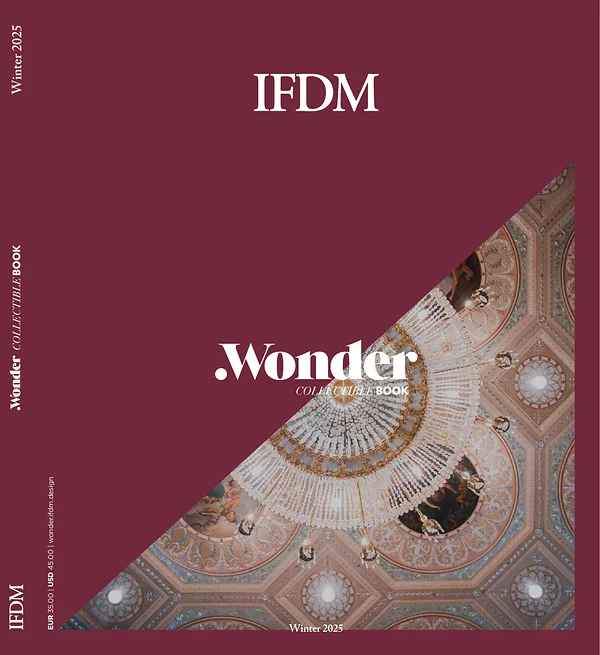
IFDM Wonder
Winter 2025
IFDM Wonder: Nature as an Operational Imperative
Read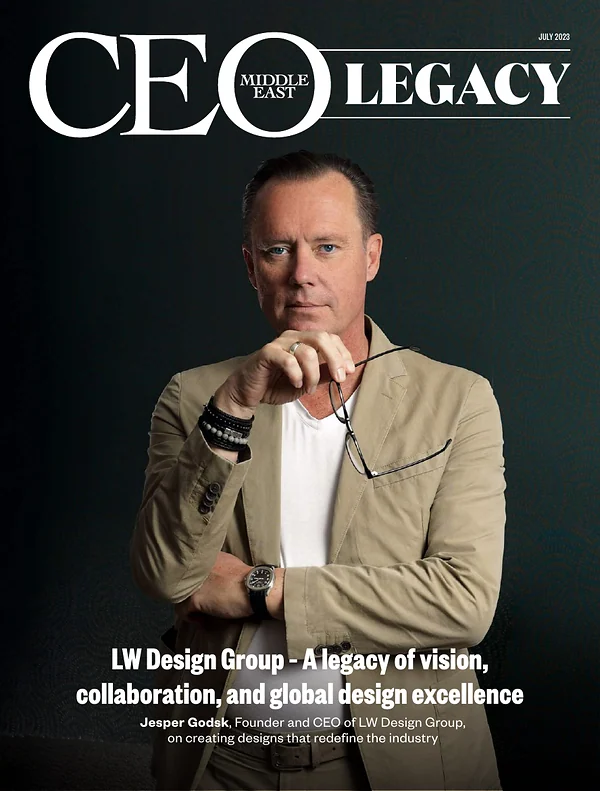
CEO Middle East · Legacy Edition
July 2023
CEO Middle East Cover Story: A Legacy of Vision
Read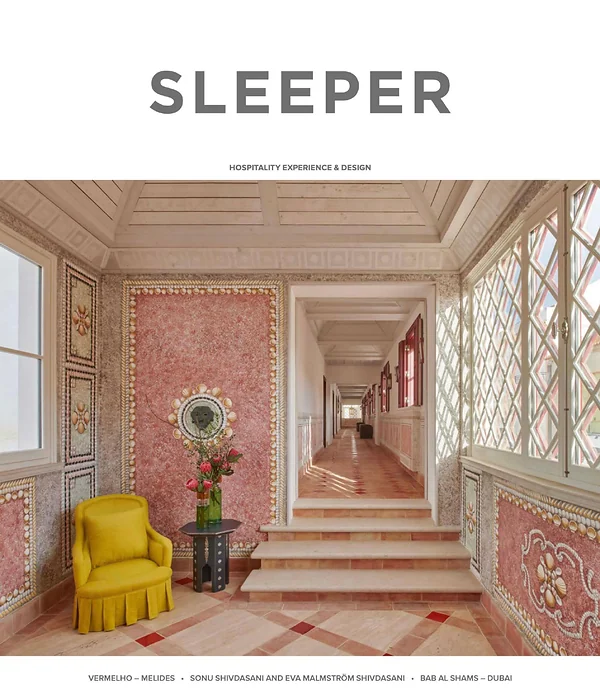
Sleeper · Issue 109
2023
Sleeper 109: Bab Al Shams Reviewed
Read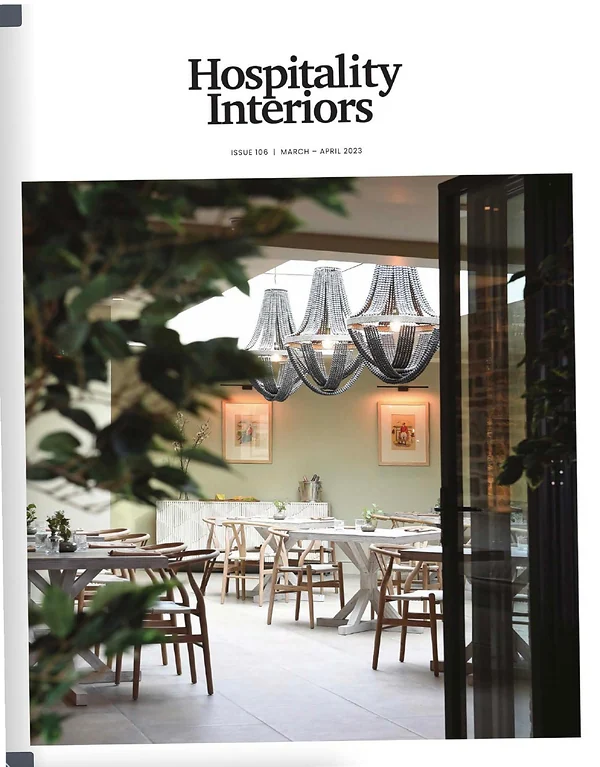
Hospitality Interiors · Issue 106
March–April 2023